top of page

Welcome to
MyKetoPal
Blog
Search


👁️🗨️🚫 WARNING!!! Ozempic and Vision Loss: A Shocking Risk You Need to Know
Recent studies have raised serious concerns about a potential link between Ozempic (semaglutide) and a rare eye condition known as non-arteritic anterior ischemic optic neuropathy (NAION). NAION is characterized by sudden, painless vision loss due to reduced blood flow to the optic nerve.

ketogenicfasting
Dec 15, 20241 min read

💉🦠 "The Coverup" Docuseries Looks Into The Pandemic Industrial Complex And Covid Mafia
The Coverup” docuseries by BlazeTV and Matt Kibbe investigates alleged censorship and coordination during COVID-19, focusing on Dr. Fauci, government policies, and suppression of dissenting voices. Featuring figures like Jay Bhattacharya, Rand Paul, and Scott Atlas, it challenges the official narrative and seeks accountability for the pandemic response.
ketogenicfasting
Dec 1, 20243 min read


🚨 How Toxic Waste Got Rebranded as “Heart Healthy”
🧪 Once used in soap and candles, seed oils like soy, canola, and corn now saturate nearly every packaged food on the market. Marketed as “heart healthy,” these ultra-processed oils are cheap, inflammatory, and never meant for human consumption. It’s time to rebel against what’s really in your food.
ketogenicfasting
Sep 11, 20243 min read

🧪 “We’re Being POISONED!” | Big Pharma’s Dirty Secret With Russell Brand
This is a "YouTube PREVIEW" of Russel Brand's daily one-hour RUMBLE show with guest Calley Means (@calleymeans). Calley is an ex-BIG Food...
ketogenicfasting
Sep 11, 20241 min read
🌻 The Hidden Ingredient Making America Sick: The Seed Oil Crisis
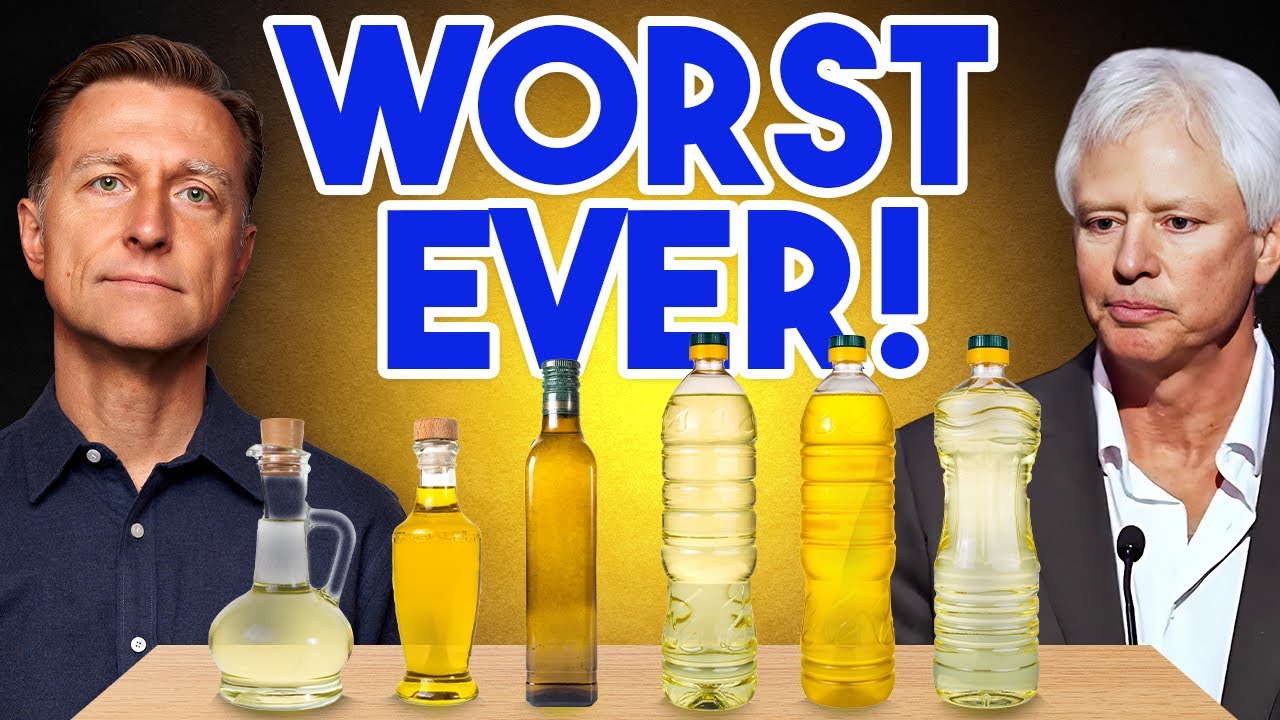
Dr. Chris Knobbe links the surge in chronic diseases—like obesity and diabetes—to the rise of seed oil consumption. From 1922–1987, obesity rose 600% while seed oil intake jumped from 78 to 497 calories/day. Seed oils damage metabolism, promote inflammation, and are nutrient-poor. Once used as machine oil, they now make up ⅓ of U.S. calories. To avoid them: skip packaged foods, eat whole foods, and cook with healthy fats like butter or olive oil.
ketogenicfasting
Sep 5, 20245 min read


♻️🧴 How Do Microplastics Get Into Your Body; How to Deplasticize Your Life
Microplastics are tiny plastic particles found in air, water, food, and even the human body. They're harmful to health and the environment. Dr. Anthony Jay of the Mayo Clinic explains how microplastics may contribute to heart disease and hormone disruption, and offers strategies to reduce exposure and detox the body in about six months. Always consult a doctor before making health changes.
ketogenicfasting
Aug 24, 20241 min read
🧠😵💫 The Most Harmful Foods Causing Brain Disease
This video discusses how the brain functions at an optimal state and the 5 neurotransmitters responsible for mood and optimal brain function. This video also looks into the worst foods people are eating every day that destroys brain function and lead to common mental illnesses like dementia, Alzheimer’s, anxiety, and depression. Role of Ketogenic and Carnivore Diets, their impact on mental illness and brain disease, namely dementia, depression, anxiety, ADHD, bipolar disease
ketogenicfasting
Jul 23, 20241 min read


🌾🧴 Are Seed Oils Worse Than Sugar? Association Between Nutrition and Crown Virus!
This post explores how metabolic damage and inflammation—fueled by harmful seed oils—drive chronic diseases like autoimmunity, diabetes, and cancer. Dr. Cate Shanahan highlights the dangers of refined polyunsaturated seed oils (the “Hateful Eight”) found in processed foods, which promote inflammation and disrupt metabolism. She advocates returning to traditional, stable fats like butter, ghee, and olive oil to restore health and immunity.
ketogenicfasting
Jul 4, 20243 min read

Toxin Series "5": The EVIL History of Skincare
The skincare industry, while promoting beauty and wellness, often harms consumers through the use of toxic chemicals, hormone disruptors, and microplastics in everyday products. Many formulas prioritize profit over health, leading to long-term skin damage, allergic reactions, and even systemic effects on the body. A lack of transparency and regulation allows harmful ingredients to persist in products marketed as “clean” or “natural.”
ketogenicfasting
Jul 1, 20242 min read


Toxin Series "4": Is Your "Perfume Addiction" More Fattening Than A Sugar Loaded Donut? YES!
Even if you eat clean and exercise, hidden toxins in fragrances could be sabotaging your health and waistline. Synthetic scents often contain phthalates and other chemicals linked to obesity, hormone disruption, and addiction-like effects. Marketed as "natural," these perfumes may be affecting your metabolism, emotional state, and even increasing cancer risk—all while remaining largely unregulated and hidden under the label “fragrance.”
ketogenicfasting
Jun 30, 20249 min read


Toxin Series "3": PHTHALATES In Hair-care Products Impact Women of Color Most
Phthalates, endocrine-disrupting chemicals found in many products, are linked to serious health issues like cancer, infertility, and impaired brain development. Black and Latinx women, especially hairstylists, face higher exposure due to frequent use of hair products like relaxers. A recent study found phthalate levels 10 times higher in these workers than in office staff. Poor regulation and hidden ingredients in salon products worsen the risk, especially during pregnancy.
ketogenicfasting
Jun 30, 20242 min read

Toxin Series "2": PHTHALATES Are In Fast Food Too!
A 2021 George Washington University study found toxic chemicals, including phthalates and plasticizers, in 81–86% of fast food items from major U.S. chains like McDonald’s and Taco Bell. These chemicals, linked to hormonal, reproductive, and behavioral issues, likely come from food handling gloves and packaging. Meaty items had the highest levels, while cheese pizza had the lowest. Home-cooked meals may reduce exposure.
ketogenicfasting
Jun 29, 20242 min read


Tennessee Takes a Stand: The Truth About Weather Manipulation and Our Right to Clean Skies
Tennessee has passed a landmark bill banning airborne chemical dispersion, including geoengineering practices like cloud seeding. This article exposes the environmental and health impacts of atmospheric spraying, highlights soil sample findings, and calls for nationwide prohibition. It's time to protect our skies, our soil, and our future.
ketogenicfasting
May 3, 20243 min read


💎 Everything You Need To Know About Oxalates In Plant Foods
Oxalates are natural compounds in some plant foods that can bind to calcium in the body. Excess oxalates may form calcium oxalate kidney stones—8 in 10 stones are this type. High-oxalate foods include spinach, beets, rhubarb, and black tea. To reduce risk, stay hydrated, limit salt and protein, avoid high-dose vitamin C, and eat calcium-rich foods like broccoli and kale with meals. Proper cooking can reduce oxalate content in plant foods.
ketogenicfasting
Jan 11, 20244 min read


🐞 Bugs in Your Food? Here’s What You’re Really Eating
Many everyday foods contain trace amounts of insect-derived ingredients or bug fragments. Additives like carmine (from crushed beetles) and shellac (from lac bugs) are used for coloring and glazing. Even honey, beeswax, and royal jelly come from insects. The FDA allows a certain level of insect fragments in food, as total removal is nearly impossible. On average, Americans unknowingly consume 1–2 pounds of bugs per year through common foods.
ketogenicfasting
Jan 8, 20242 min read


🧪 The Bitter Truth About Aspartame
Once hailed by fashion icons like Karl Lagerfeld and Jean Paul Gaultier, aspartame has a dark past. 🕵️♀️ Discovered in 1965, it took nearly 20 years to hit the shelves, shadowed by scandals, seizures in lab animals, and corruption. 😳 Its breakdown products—phenylalanine, aspartic acid, and methanol—are linked to brain damage, tumors, and more. Yet, it’s still in 5,000+ products. Politics over health? You decide. ⚠️🥤
ketogenicfasting
Jul 9, 20236 min read

Fake Food Series: 🦗✨ Eat the Bugs? The Crunchy Truth Behind the Trend ✨🦗
Robert Downey Jr. selling cricket kibble? Nicole Kidman nibbling bugs? 🦗👠 “Eat the bugs” became a meme—but is it safe? 🤔 This video dives into industrial insect farming, parasite risks 🦠, and the shady “Circular Economy” where bugs eat trash—and you eat the bugs. 💩➡️🦗➡️🍴 Is this really sustainable—or corporate control in eco-packaging? 🏢♻️ Question the hype, read the labels, and don’t swallow the narrative. 🧐🚫
ketogenicfasting
Sep 28, 20222 min read


🍭 There Are 75+ Words For Sugar; Some Sound Natural, Some Science-y
Food manufacturers often replace healthy fats with sugar to enhance taste and increase sales. They also use misleading terms to hide sugar content. Sugars end in “-ose” (e.g., glucose, fructose, sucrose) and can contribute to obesity, inflammation, heart disease, and cancer. With over 75 names for sugar used in products, reading labels is essential to avoid hidden sugars.
ketogenicfasting
Feb 26, 20222 min read


Is Spinach A Potent Kidney Stone Producer?
Spinach may not be as healthy as you think. It's extremely high in oxalates—1,510 mg per cup cooked—which can contribute to kidney stones and conditions like vulvodynia in women. Oxalates bind with calcium, forming harmful crystals. To reduce risk, avoid high-oxalate greens like spinach and choose low-oxalate options like romaine, arugula, and cabbage instead. Talk to your doctor if you have symptoms or kidney stone history.
ketogenicfasting
Jan 14, 20223 min read


Fake Food Series: 🛑 The Truth About Vegetable Oils: What You Really Need to Know
Vegetable oils like canola, soy, and corn are highly processed, oxidize when heated, and promote inflammation—raising the risk of heart disease, cancer, and dementia. Often made from GMO crops and loaded with glyphosate, they’re anything but healthy. At Comfort Keto, we use only clean, nourishing fats like grass-fed butter, coconut oil, and olive oil—never toxic vegetable oils. Your body deserves better. 💛🧈🥥
ketogenicfasting
Jan 8, 20223 min read
bottom of page