
Before You Try That Remedy: What Really Works for Foot Fungus
- ketogenicfasting

- 7 days ago
- 4 min read
What Works, What Doesn’t, and What You Should Not Experiment With
Scroll through social media, and you’ll find no shortage of “miracle cures” for foot fungus—ranging from vinegar soaks to veterinary medications like ivermectin and fenbendazole.
Some of these suggestions are harmless.
Some are ineffective.
And some cross into territory that is unproven, unsafe, and potentially harmful.
Let’s separate fact from fiction—and give you a clear, grounded path forward.
What Is Foot Fungus, Really?
Most cases fall into two categories:
Athlete’s foot – affects the skin, often between the toes
Onychomycosis – affects the toenails

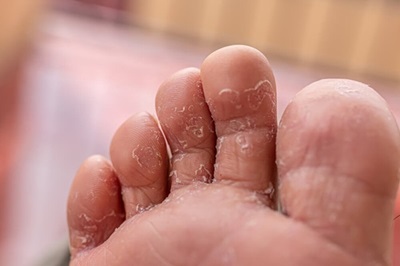

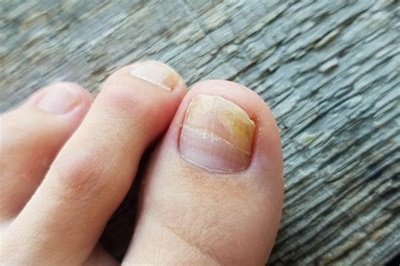
These infections are caused by dermatophyte fungi that thrive in warm, moist environments—especially inside shoes.
This is critical: Fungal infections require antifungal treatment—not antibacterial or antiparasitic approaches.
The Misinformation Problem: Why “Random Remedies” Go Viral
Many online recommendations come from personal anecdotes:
“It worked for me”
“My rash went away”
“My skin improved”
But what’s often overlooked is this:
Fungal infections can temporarily improve on their own
Symptoms like itching and redness can fade without eliminating the fungus
Skin healing does not always mean the infection is gone
👉 This creates the illusion that unrelated treatments are effective.
Ivermectin & Fenbendazole: A Clear Reality Check
Ivermectin
Ivermectin targets parasites, not fungi
There is no credible evidence supporting its use for athlete’s foot or nail fungus
Fenbendazole
Fenbendazole is:
Intended for animals
Unsupported for fungal treatment
👉 Bottom line: These substances do not address the root cause and should not be used.
What Most People Get Wrong About Toenail Fungus
One of the biggest misconceptions is that fungal nail infections are minor issues that will eventually resolve on their own.
They don’t.
Toenail fungus:
Does not go away without treatment
Can spread to other nails and surrounding skin
Becomes more difficult to treat the longer it is left unmanaged
Another key reality is time.
Unlike surface skin conditions, nail fungus lives beneath the nail plate. Even with proper treatment:
Improvement may take months to become visible
Full recovery depends on the growth of a completely new, healthy nail
👉 This slow timeline is exactly why many people abandon effective treatments too early and turn to unproven alternatives.
Important Medical Insight Most People Miss
Fungal infections are not just sitting on the surface. They live within layers of skin and beneath the nail. This means:
Surface disinfectants don’t penetrate deeply enough
“Killing germs on contact” is not the same as curing the infection
Incomplete treatment leads to recurrence
Common Home Remedies: What’s Worth Considering
Vinegar Soaks
May create an environment that slows fungal growth
Can help reduce odor and mild symptoms
Best used diluted
👉 Supportive, but not a reliable cure
Essential Oils (Tea Tree, Oregano)
Contain natural antifungal compounds
Must be diluted properly
Can irritate sensitive skin
👉 Results are inconsistent
Hydrogen Peroxide
Has antimicrobial effects
Frequent or prolonged soaking can damage the skin barrier
Overuse may delay healing
Borax
Not intended for topical skin use
Can irritate or harm the skin
Overall takeaway: Many home remedies are anecdotal and lack strong clinical evidence, even if widely shared.
What About Vicks VapoRub?
One commonly suggested home remedy is Vicks VapoRub. Its ingredients—menthol, camphor, and eucalyptus oil—do have mild antimicrobial properties, and some small studies and anecdotal reports suggest it may improve the appearance of nails affected by Onychomycosis over time. However, this improvement is often cosmetic rather than curative.
Like many topical home remedies, Vicks VapoRub does not reliably penetrate deep enough to fully eliminate the fungus living beneath the nail. While generally safe to use externally, Vicks is best viewed as a supportive option for mild cases, not a replacement for proven antifungal treatments—especially in more advanced infections.
What Actually Works (Clinically Proven)

First-Line Treatment
Topical antifungals such as:
Clotrimazole
Terbinafine
These are specifically formulated to:
Penetrate the skin
Disrupt fungal cell structures
Eliminate the infection at its source
👉 Most cases of athlete’s foot improve within 1–4 weeks when used consistently.
Why Nail Fungus Is More Difficult
Toenail fungus is more resistant because:
It lives under the nail plate
Nails grow slowly
Shoes create a warm, enclosed environment ideal for fungal growth
Treatment may involve:
Long-term topical application
Prescription oral antifungals in more advanced cases
👉 Oral treatments can be more effective but may require medical supervision.
⚠️ When This Is More Than a Minor Issue
Certain individuals should avoid self-treatment without guidance:
People with diabetes
Those with poor circulation
Individuals with weakened immune systems
In these cases, fungal infections can lead to:
Secondary bacterial infections
Skin breakdown
More serious complications
Red Flags: When to Seek Medical Care
Infection spreads or worsens
Cracking, bleeding, or pain develops
Nails become thick, discolored, or distorted
No improvement after 2–3 weeks of consistent treatment
The Missing Piece: Prevention
Even after successful treatment, recurrence is common without environmental changes.
Key prevention habits:
Keep feet dry, especially between toes
Change socks daily
Wear breathable shoes
Avoid walking barefoot in public areas
Disinfect footwear periodically
👉 Treatment without prevention almost always leads to recurrence.
A Practical, Grounded Approach
Use a proven antifungal consistently
Stay patient—especially with nail infections
Keep the environment clean and dry
Use supportive remedies cautiously
Avoid experimental or unrelated substances
Seek medical guidance when needed
Final Thoughts
In today’s information landscape, the challenge isn’t a lack of solutions—it’s too many unverified ones.
When it comes to fungal infections:
Not every natural remedy is effective
Not every anecdote is evidence
And not every improvement means the infection is gone
👉 The most effective approach is also the most straightforward:
Use treatments that match the biology of the condition—and give them the time they need to work.


Comments