
Chia Seeds: Nutritional Powerhouse with Ancient Roots
- ketogenicfasting

- Mar 10, 2025
- 5 min read
A Culinary Staple of Comfort Keto
Very much like nuts, edible seeds are nutritional treasures. They are rich in minerals, healthy fats, and essential nutrients—often at a fraction of the cost of other superfoods. Among these, chia seeds stand out not only for their dense nutrient profile but also for their versatility in gourmet keto cooking.

Chef Janine of Comfort Keto regularly incorporates chia seeds into her creations, especially within her cultured cream recipes and mousse-based desserts. Their mild flavor, thickening ability, and health benefits make them a perfect ingredient in low-carb, keto-friendly cuisine.


A Glimpse into History & Culinary Heritage
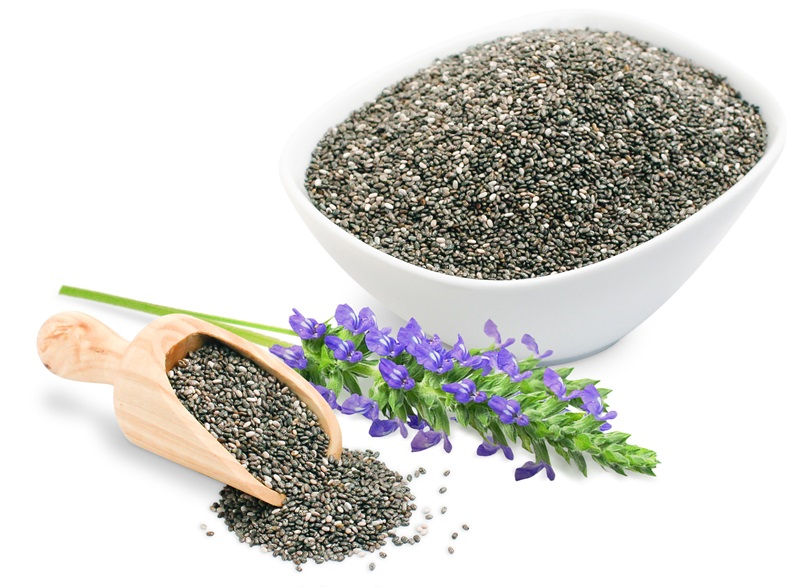
Chia seeds, known as Salvia hispanica, have a long and revered history. They were a dietary staple for ancient Aztec and Mayan civilizations, prized for their ability to provide sustainable energy. In fact, “chia” is the ancient Mayan word for “strength.”
Traditionally, chia was consumed as a porridge, mixed with water or juice, or even ground into flour. Today, it's making a strong comeback in modern health and culinary circles.
Nutritional Snapshot of Chia Seeds (per 1 oz / 28.5g)
Macronutrients | Amount |
Calories | 138 kcal |
Carbohydrates | 11.9 g |
Fiber | 9.75 g |
Sugars | 0 g |
Fat | 8.71 g |
Saturated Fat | 0.94 g |
Monounsaturated Fat | 0.65 g |
Polyunsaturated Fat | 6.71 g |
Omega-3 (ALA) | 5.05 g |
Omega-6 | 1.65 g |
Protein | 4.69 g |
Vitamins in Chia Seeds
Vitamin | % Daily Value (DV) |
Vitamin K1 | 167% |
Niacin (B3) | 16% |
Thiamin (B1) | 15% |
Riboflavin (B2) | 4% |
Folate | 3% |
Vitamin C | 1% |
Vitamin E | 1% |
Minerals in Chia Seeds
Mineral | % Daily Value (DV) |
Manganese | 33% |
Copper | 29% |
Selenium | 28% |
Magnesium | 23% |
Phosphorus | 20% |
Calcium | 14% |
Iron | 12% |
Zinc | 12% |
Potassium | 2% |
Sodium | <1% |
Polyphenols in Chia Seeds
Chia seeds are also rich in polyphenols—powerful plant compounds known for their antioxidant and anti-inflammatory effects. These help maintain vascular health by supporting blood flow and reducing platelet clumping.
Notable polyphenols in chia seeds include:
Caffeic Acid
Chlorogenic Acid
Daidzein
Kaempferol
Myricetin
Rosmarinic Acid
Quercetin
Culinary Benefits & Functional Properties
Chia seeds are extremely versatile in culinary applications thanks to their unique texture and high soluble fiber content. In Chef Janine’s kitchen, they’re regularly used in:
Cultured cream and mousse bases
Jam thickeners (sugar-free berry preserves)
Keto desserts and parfaits
Why We Love Chia Seeds
✅ Water Absorption: Chia seeds can absorb up to 12x their weight in water, forming a gel-like texture perfect for puddings or thickeners.
✅ Emulsifying Agent: Ideal for sauces, jams, or custards.
✅ Satiety Support: Helps keep you full longer, assisting in weight control.
✅ Neutral, Nutty Flavor: Works well in both sweet and savory dishes.
✅ Textural Versatility: Crunchy when raw, soft and jelly-like when hydrated.
✅ Blood Sugar Regulation: Helps blunt post-meal glucose spikes due to its fiber content.
✅ Cardiovascular Support: Plant-based omega-3s and polyphenols are linked to reduced heart disease and inflammation.
✅ Cancer-Fighting Potential: The antioxidant compounds may help lower risk of certain cancers.
Note on Omega-3 Conversion
Chia seeds are rich in alpha-linolenic acid (ALA), a plant-based form of omega-3 fatty acid. However, the human body must convert the plant based ALA into EPA and DHA—the bioavailable forms of omega-3 found naturally in fish, seaweed, and algae (which fish consume). This conversion is inefficient, with less than 15% of ALA successfully converted. The remaining 85% of ALA that is not converted cannot be used by the body and is ultimately discarded. Still, for individuals who limit or avoid seafood, chia seeds offer a modest yet only available plant-based source of omega-3s.
🌱 Do Chia Seeds Contain Estrogen or Phytoestrogens?
Chia seeds do not contain estrogen, but they do contain trace amounts of phytoestrogens, primarily in the form of lignans and flavonoids like quercetin and kaempferol. These are plant-based compounds that can weakly mimic estrogen in the body by binding to estrogen receptors.
🧠 But Is This a Problem?
For most people, no, chia seeds are not a problem and are generally safe—even beneficial—when consumed in moderate amounts.
Here’s what you should know:
Concern | Reality Check |
Estrogenic activity | The phytoestrogens in chia seeds are very weak compared to human estrogen or even soy isoflavones. |
Hormonal balance | Current research suggests that phytoestrogens from whole foods like chia may help regulate estrogen rather than disrupt it, especially in postmenopausal women. |
Men and testosterone | No evidence suggests that chia seeds reduce testosterone levels or negatively impact male hormone balance. |
Thyroid or cancer risk | No credible studies link chia consumption with increased cancer or thyroid risk. In fact, the antioxidants and fiber may be protective. |
✅ Conclusion
For the average healthy person, chia seeds are not a hormonal threat. They’re a nutrient-dense, anti-inflammatory food with minimal phytoestrogen content—far less than flax or soy.
If you have a hormone-sensitive condition (like estrogen-positive breast cancer), you should consult your doctor, but even then, chia in modest amounts is rarely contraindicated.
Chef Janine continues to explore the many uses of chia seeds in her Comfort Keto offerings—blending ancient tradition with modern nutritional science for delicious, healing food.
Meanwhile, here's a simple, crunchy, ketogenic chia seed cracker recipe that's both delicious and ultra low-carb—perfect as a snack or to pair with dips, cheeses, or cultured cream.
🧀 Keto Chia Seed Crackers

Ingredients:
1/2 cup chia seeds
1/2 cup almond flour
1/4 cup sunflower seeds (or pumpkin seeds, optional)
1 tbsp flax meal (adds crispness and fiber)
1 cup water
1/2 tsp sea salt
1/2 tsp garlic powder (optional)
1/2 tsp onion powder (optional)
1/4 tsp smoked paprika or rosemary (optional, for flavor)
Instructions:
Preheat Oven to 300°F (150°C). Line a baking sheet with parchment paper.
Mix all dry ingredients in a bowl.
Add water and stir well. Let the mixture sit for about 15 minutes to allow the chia seeds and flax to absorb water and form a gel.
Spread the mixture thinly (about 1/8-inch thick) onto the prepared baking sheet using a spatula or the back of a spoon.
Score the mixture lightly with a knife or pizza cutter to form cracker shapes.
Bake for 35–45 minutes, flipping halfway through if desired, until golden and crisp. Time may vary depending on thickness and your oven.
Cool completely, then break apart into crackers. Store in an airtight container at room temperature for up to a week.
Macros (Per 10-cracker serving, approx.):
Calories: ~110
Fat: ~8g
Net Carbs: ~2g
Protein: ~4g
Stay updated on when delicious dishes and Býli power bowls containing chia seeds will be on the menu by visiting our website: www.myketopal.com.
Bon Appétit!
Chef Janine


Comments