
✨ Southern Bliss, Keto Kissed: New Orleans Style Shrimp Étouffée w. Cheese Grits
- ketogenicfasting

- Apr 25, 2025
- 8 min read
Updated: May 13, 2025
Shrimp Étouffée ("ay-too-fay") is a beloved staple born from Louisiana’s rich Creole and Cajun traditions. "Étouffée" means "smothered" in French, describing the technique of slow-cooking seafood in a flavorful, velvety roux-based sauce. It dates back to the late 1920s and is attributed to the bayous around Breaux Bridge ("The Crawfish Capital of the World").
Though originally made with crawfish, shrimp became a popular substitute along the Gulf Coast, especially when crawfish were out of season.

🍤 Classic Ingredients (Traditional Version)
Shrimp or crawfish tails
Roux (butter & flour)
Holy Trinity (onion, celery, bell pepper)
Garlic
Seafood stock
Tomatoes (Creole-style)
Cajun/Creole seasoning
White rice or grits
🌈 Variations
Crawfish Étouffée – the original.
Tomato vs. Non-tomato versions – Creole uses tomato; Cajun usually omits it.
Seafood blends – shrimp and crab meat together.
Chicken Étouffée – rare.
Turkey Étouffée – done only for holidays.
🥑 Chef Janine’s Gourmet Keto Shrimp Étouffée

🍽️ Serving Recommendation for Keto Shrimp Étouffée
Serve piping hot in a shallow bowl.
Garnish with chopped parsley and lemon wedge.
Optionally, a drizzle of extra virgin olive oil for a polished finish.
Perfect for:
🥂 Holiday brunches,
🍴 busy weeknights,
🍳 keto breakfast-for-dinner meals.
📝 Pro Tips: Serving Enhancements for Keto Shrimp Étouffée:
Recommended Enhancement | Purpose/Benefit |
🧂 Dash of smoked paprika | Adds deeper smokiness and enhances savory flavor. |
🥛 Splash of heavy cream | Creates a silkier, richer gravy texture. |
🌶️ Tabasco or keto-friendly Louisiana hot sauce | Optional heat boost; enhances flavor complexity with a little spice. |
🍞 Wasa crispbread (low-carb varieties) | Adds a satisfying crunch; perfect for scooping or serving on the side. |
🍷 Drink Pairing Suggestion for Keto Shrimp Étouffée
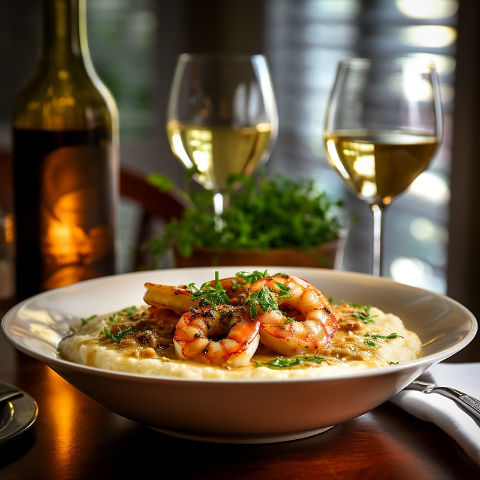
Extra-Dry Pinot Grigio
Keto-Friendly? ✅ (Very low sugar, ~2-3g carbs per glass)
Calories: ~120 calories per 5 oz
Fresh, citrusy, crisp — cuts the richness beautifully.
❄️ Keto Shrimp Étouffée is Freezer Friendly
Keto Shrimp Étouffée freezes perfectly up to 6 weeks.
Portion into airtight containers.
Thaw overnight in the fridge and reheat gently on the stove for best gourmet results!
🥥 Health Benefits in a Nutshell
Shrimp = Lean protein + astaxanthin antioxidant.
Cauliflower = Fiber + cancer-fighting sulforaphane.
Cheddar & Cream Cheese = Rich in calcium and healthy fats.
Bacon = Adds flavor without spiking insulin when uncured and sugar-free.
🦀 Now, Let's Take a VIP Tour of Our Gourmet Keto Shrimp Étouffée Ingredients!
Ingredient | Nutritional Benefits |
🦐 Wild-caught Pacific Coast pink shrimp | High in protein, low in fat, rich in omega-3 fatty acids, and a good source of selenium and iodine. |
🥓 Uncured bacon (no sugar added) | Provides healthy fats and protein; no added sugars; source of B vitamins and zinc. |
🥦 Riced cauliflower-broccoli blend | High in fiber, vitamins C and K, antioxidants, and low in carbs. |
🧀 Grass-fed sharp cheddar cheese | Rich in calcium, vitamin K2, and healthy fats; contains conjugated linoleic acid (CLA). |
🧄 Fresh garlic | Boosts immune function, has anti-inflammatory and antimicrobial properties. |
🧂 Himalayan pink salt | Provides trace minerals like magnesium, potassium, and calcium. |
🧈 Grass-fed butter | High in fat-soluble vitamins (A, D, E, K) and contains CLA and omega-3s. |
🌿 Herbs: thyme, parsley, oregano | Rich in antioxidants, anti-inflammatory compounds, and vitamins A and C. |
🌶️ Cajun spice blend (sugar-free) | Adds antioxidants and metabolism-boosting properties; free from added sugars. |
🍋 Lemon wedges | High in vitamin C; aids digestion and supports detoxification. |
🥛 Grass-fed cream cheese | Provides healthy fats, calcium, and probiotics (if cultured). |
🍷 Splash of dry white wine (optional) | Adds flavor; contains trace antioxidants like resveratrol (minimal amount used). |
🧅 Shallots (for sweeter flavor) | Rich in antioxidants, vitamin C, and beneficial sulfur compounds. |
🧅 Red onions | High in antioxidants (especially quercetin), support heart health, and offer anti-inflammatory benefits. |
🫑 Red bell pepper | Extremely high in vitamin C, also rich in vitamin A, fiber, and powerful antioxidants like beta-carotene. |
🌿 Celery | Hydrating, rich in vitamin K and potassium; supports digestion and has anti-inflammatory properties. |
🥕 Finely diced carrots | High in beta-carotene (vitamin A), supports eye health and provides antioxidants and fiber. |
🍷 White wine (additional use) | Adds depth of flavor; contains small amounts of antioxidants such as resveratrol (minimal alcohol after cooking). |
🔥 Keto Cheese Grits ("Cauliflower Cheddar Grits")

Ingredient | Nutritional Benefits |
🥦 Riced cauliflower | High in fiber, rich in vitamins C and K, low in carbs, and packed with antioxidants. |
🧈 Grass-fed butter | High in fat-soluble vitamins (A, D, E, K), contains healthy fats and CLA (conjugated linoleic acid). |
🥛 Heavy cream (grass-fed) | Rich in healthy fats, vitamin A, and small amounts of calcium; supports keto-friendly energy. |
🧀 Sharp cheddar (grass-fed) | High in calcium and protein, contains vitamin K2, and provides beneficial fatty acids. |
🧂 Himalayan salt & pepper | Himalayan salt offers trace minerals like magnesium and potassium; black pepper aids digestion and boosts nutrient absorption. |
📊 Nutritional Facts of Keto Cheese Grits per Serving (Approximate)
Nutrient | Amount |
🔥 Calories | 470 kcal |
🍳 Protein | 30g |
🥑 Fat | 38g |
🌾 Net Carbs | 6g |
✔️ Gluten-Free ✔️ No Added Sugar ✔️ Keto Certified
👩🍳 Chef Janine's Note:
"Elevating your keto lifestyle doesn't have to mean sacrificing the rich, soulful flavors you love. My gourmet Keto Shrimp Étouffée brings you all the warmth and tradition of Louisiana's bayous — without the carbs that slow you down. Treat yourself to a dish that's as nourishing as it is indulgent. I invite you to experience the vibrant spirit of Creole cooking, reimagined for your healthiest life yet!"
Stay updated on when this delicious dish will be on the menu by visiting our website: www.myketopal.com.
Bon Appétit!
Chef Janine
More interesting reading about the history of this dish:
🍤✨ Shrimp & Grits: A Soulful Southern Story with Deep Roots
More than just a comfort food, shrimp and grits is a dish steeped in history, heritage, and resilience. From humble beginnings to high-end menus, its journey tells the story of people, place, and perseverance.
🌅 Lowcountry Beginnings: "Shrimps and Hominy"
The dish we now know as shrimp and grits likely originated in the Lowcountry of South Carolina and Georgia. Originally dubbed “shrimps and hominy” or “breakfast shrimp,” it began as a simple, hearty meal prepared with ground corn and fresh creek shrimp. 🍚🦐
⚠️ Quick clarification: Though some locals used "hominy" to mean cooked grits, the two are different!🔸 Hominy = corn soaked in a lye solution🔹 Grits = ground corn, cooked into a creamy base
🌍 African Origins & the Legacy of Slavery
As with many iconic Southern dishes, the story goes much deeper.
🎓 Food historian Michael Twitty traces shrimp and grits back to Mozambique, where African communities blended corn and shellfish in flavorful, nourishing ways long before Charleston ever served it.
Enslaved Africans, forcibly brought to America, adapted their ancestral recipes to new ingredients and environments—especially in bustling port cities like Charleston. It was in their hands that the dish evolved, marrying West African culinary wisdom with New World conditions. 🙏🏿🌽🦐
⚓ From Laborer’s Meal to Cultural Staple
In the 18th and 19th centuries, Lowcountry laborers and fishermen relied on ground corn as a staple ration. It was easy to cook and paired perfectly with hand-caught shrimp. The result? A one-pot meal cooked on boats or open fires, sometimes using seawater for seasoning. 🌊🔥
What began as sustenance became a tradition—deeply tied to both struggle and survival.
📜 Early Records & Rare Recognition
✍🏿📖 The first known published recipe appeared in 1891 in a syndicated column from the Louisiana Review. A notable early mention is in the 1930 cookbook, Two Hundred Years of Charleston Cooking, which credits an African American butler, William Deas, for his “shrimps and hominy” dish—a rare acknowledgment of Black culinary artistry at the time.
🍽️ Regional Twists & Flavors Across the South
Even before it became a culinary trend, shrimp and grits showed up in breakfast menus elsewhere. In New Orleans, for example, 1895 menus featured:
🧾 “Fried Lake Shrimp. Grillade. Hominy.”
Throughout the 20th century, regional spins emerged:
🌶️ Louisiana: Added hot sauce & country ham
🐟 Jewish kitchens: Paired grits with salt herring fried in butter
🏖️ South Carolina: Used “beach water” to cook grits in roadside restaurants
👨🍳 The Chef Who Took It National

The man who truly catapulted shrimp and grits into the spotlight was Chef Bill Neal of Chapel Hill, North Carolina.
Originally focused on French and European cuisine, Neal had a turning point in 1984 after guiding Craig Claiborne (food editor at The New York Times) on a Southern food tour. That journey inspired Neal to reclaim his roots—and spotlight authentic Southern cooking.
From there, the dish soared into fine dining, food magazines, and the hearts of chefs across America. 💫🇺🇸
❤️ A Dish of History, Heritage & Heart
Shrimp and grits isn’t just a Southern breakfast. It’s a symbol of adaptation, creativity, and cultural fusion—a testament to the endurance of a people and the legacy of their cuisine.
So the next time you dig into this rich, buttery bowl, remember:You're not just tasting shrimp and grits.You're tasting history. 🍤🌽🔥
Bill Neal's shrimp with cheese grits recipe, featured in the Times and served at his restaurant Crook’s Corner, ignited widespread interest, helping shrimp and grits become a Southern restaurant staple.
In Charleston, chef Robert Stehling, a Neal protégé, opened Hominy Grill in the 1990s, adding his own version of shrimp and grits, layered with mushrooms, bacon, and Tabasco. Stehling remembered that before Neal’s influence, shrimp and grits was virtually absent from restaurant menus in Charleston. Suddenly, it was everywhere.
As shrimp and grits spread beyond its Lowcountry origins, chefs nationwide began putting their own spins on the dish.
In Nashville, Biscuit Love’s “Bill Neal” dish features shrimp with cheese grits, bacon, mushrooms, and Tabasco.
Despite the variations, the simple flavor of grits remains a canvas for creativity, much as it was when Bill Neal first refined and elevated the dish.
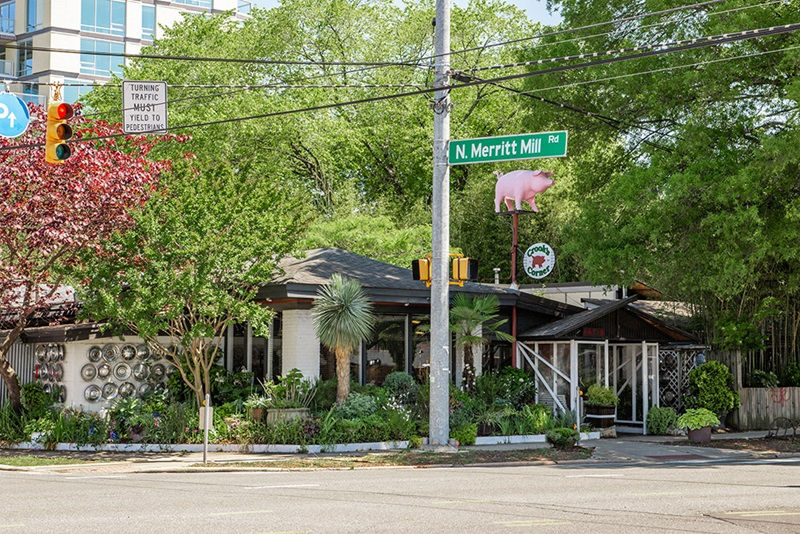
Dooky Chase’s Restaurant in New Orleans, led by black Chef Leah Chase, also helped elevate Shrimp Étouffée into national fame. Her restaurant which was founded in 1941 still serves the beloved dish today.


Ultimately, the history of shrimp and grits is a microcosm of Southern cuisine itself—a story of migration, adaptation, cultural blending, and resilience. Behind its comforting familiarity lies a rich and complicated past that deserves to be remembered.


Comments